
The Book’s Harvest
Little WomenThe novel’s ending gathers family memory, moral growth, grief, marriage, and service into a final vision of happiness earned through love and labor.
increasing Bearing strength in each event
 decreasing
Bearing strength in each eventdecreasingHousehold Stories
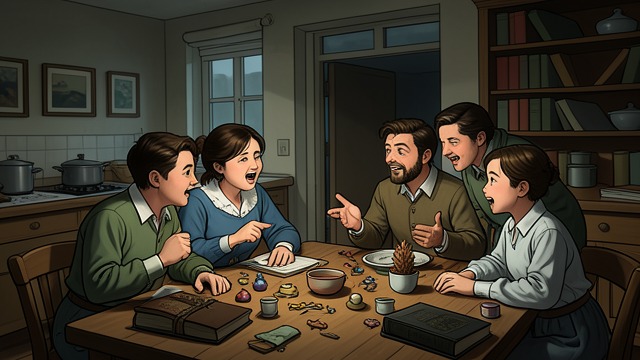
Domestic Narrative
Small Events
The novel begins with quarrels, gifts, plays, meals, and errands. These modest incidents establish the family as a serious moral world.
Narrative Value
Everyday life becomes worthy of literary attention because character is formed through ordinary choices.
Sorrow’s Education

Hardship Deepens Meaning
Illness and Absence
War, poverty, scarlet fever, and Elizabeth March’s death test the family’s convictions.
Maturity Through Pain
The sisters’ moral education becomes credible because it is learned through loss rather than merely taught in sermons.
Love’s Many Forms

Affection Multiplied
Romantic Bonds
Margaret March marries John Brooke, Amy Curtis March marries Theodore Laurence, and Josephine March finds Friedrich Bhaer.
Wider Love
Sisterhood, parenthood, friendship, charity, and education prove that love is not reduced by division. It expands as each character gives it away.
The School as Harvest
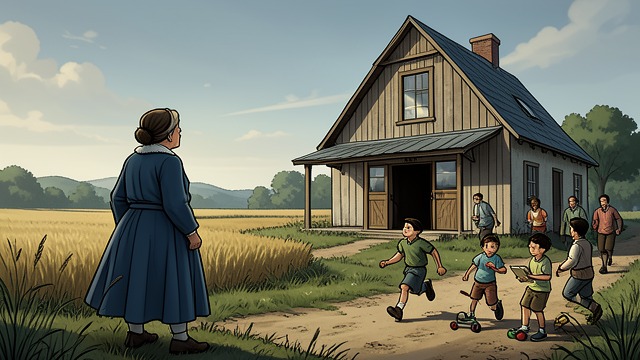
Fruit of Experience
Plumfield School
The estate becomes a living harvest of Josephine March’s childhood wishes and adult sacrifices. Boys receive the care she once wanted to give.
Social Meaning
The family’s private virtues become public practice. Domestic affection is extended into educational reform.
The Mother’s Blessing
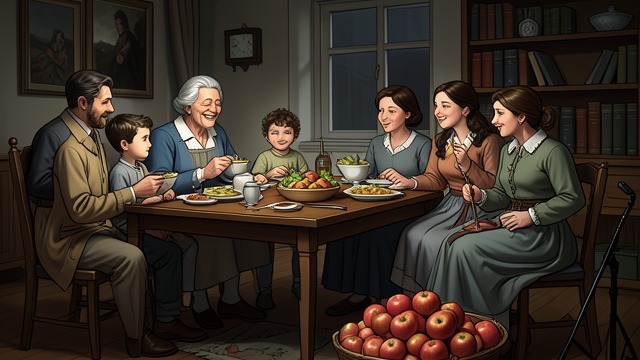
Happiness Named
Family Gathered
Marches, Laurences, Brookes, and Bhaers gather among children, apples, songs, and remembered dead.
Final Measure
Mrs. March wishes her daughters no greater happiness than the happiness they have made. The harvest is not fame or wealth, but loving usefulness shared across generations.
the first year
the war years
the years after the war
the final chapter
the final apple-picking festival
